
Tucked vs Untucked: How to Wear a Formal Shirt the Right Way
A formal shirt can completely change the way an outfit looks, but one small styling decision often makes the biggest difference: should you tuck it in or leave it untucked?
Whether you are getting ready for the office, attending a business meeting, going on a dinner date or putting together a smart-casual outfit, knowing how to wear a formal shirt correctly can help you look more confident and well-dressed.
A tucked-in shirt generally creates a clean, structured and professional appearance, while an untucked shirt gives your outfit a more relaxed and effortless feel. However, the right choice depends on more than personal preference. Your shirt's length, hem shape, fit, trousers and the occasion all play an important role.
In this guide, we will explain when men should tuck in their shirts, when leaving them untucked works better, how to identify the right shirt length and how to style both looks with formal trousers, chinos and jeans.
1. Tucked vs Untucked Shirts: What Is the Difference?

The main difference between a tucked-in and an untucked shirt is the overall silhouette it creates.
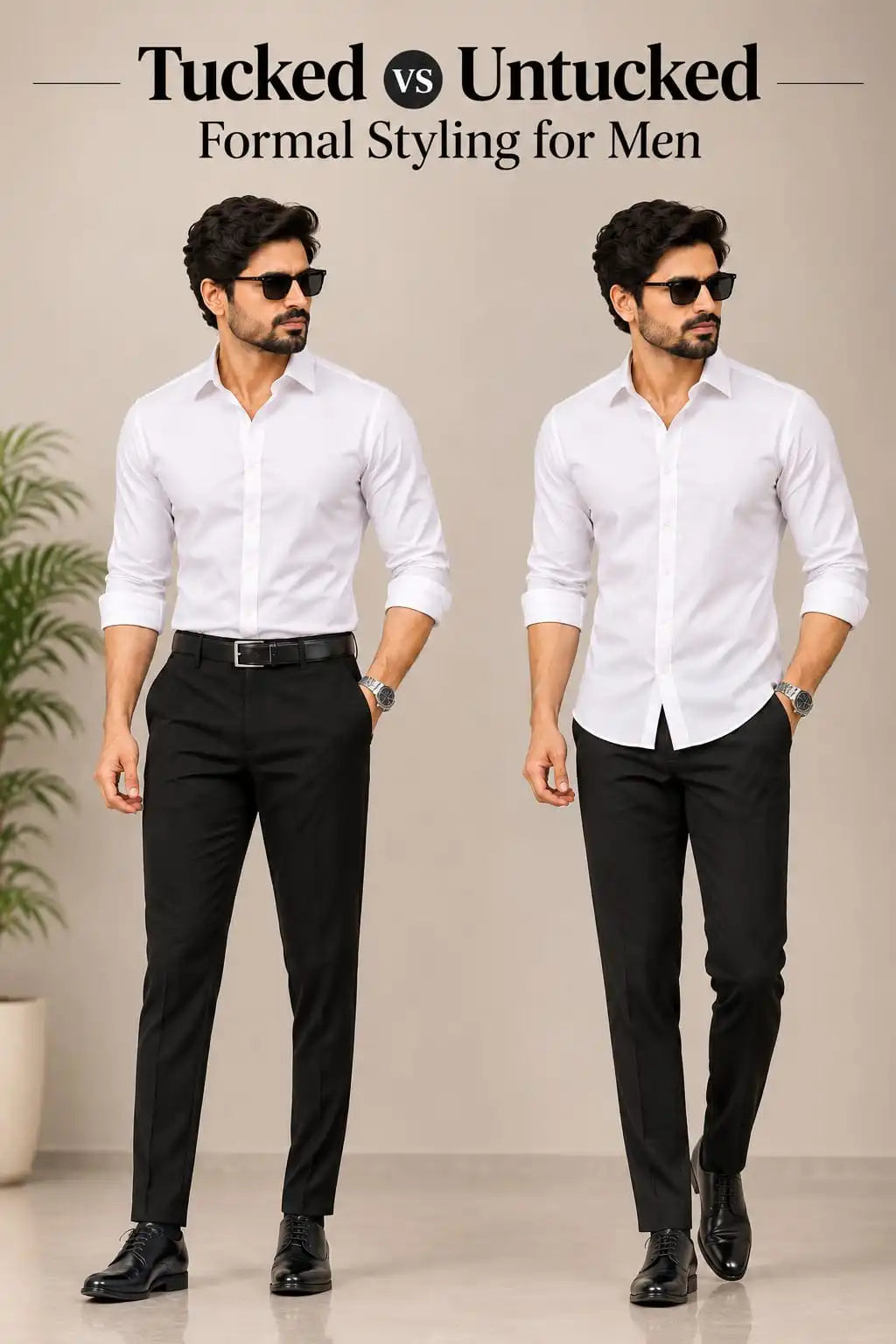
A tucked-in shirt is placed inside your trousers, creating a defined waistline and a more structured appearance. An untucked shirt is worn outside the trousers, creating a relaxed silhouette that works particularly well for casual and smart-casual outfits.
Neither style is automatically better. The important thing is choosing the right style for your shirt and the occasion.
Tucked-In Shirt
A tucked-in formal shirt creates a polished appearance by keeping the fabric neatly inside your trousers.
It is particularly suitable for:
-
Office wear and professional meetings.
-
Business formal dress codes.
-
Weddings and formal celebrations.
-
Interviews and important presentations.
-
Outfits featuring blazers, suits and formal trousers.
Untucked Shirt
An untucked shirt creates a more relaxed appearance without sacrificing style when the fit and length are correct.
It is particularly suitable for:
-
Casual office environments.
-
Weekend outings.
-
Casual dinners and social gatherings.
-
Travel and everyday wear.
-
Smart-casual outfits with chinos or jeans.
The simple rule: If your outfit needs to look structured and professional, tuck your shirt in. If you are dressing for a relaxed setting and your shirt is designed to be worn outside your trousers, leave it untucked.
2. When Should Men Tuck in a Formal Shirt?

For most traditional formal shirts, tucking them in is the better choice. Formal shirts are generally designed with longer, curved hems that provide enough fabric to stay inside your trousers throughout the day.
Here are the situations where a tucked-in shirt works best.
A. For Office Wear
A tucked-in shirt with well-fitted formal trousers is one of the most reliable combinations for everyday office dressing.
For a professional appearance, consider these combinations:
-
White formal shirt with black trousers.
-
Light blue shirt with navy trousers.
-
Pink shirt with charcoal grey trousers.
-
Light grey shirt with black trousers.
-
Navy blue shirt with beige trousers.
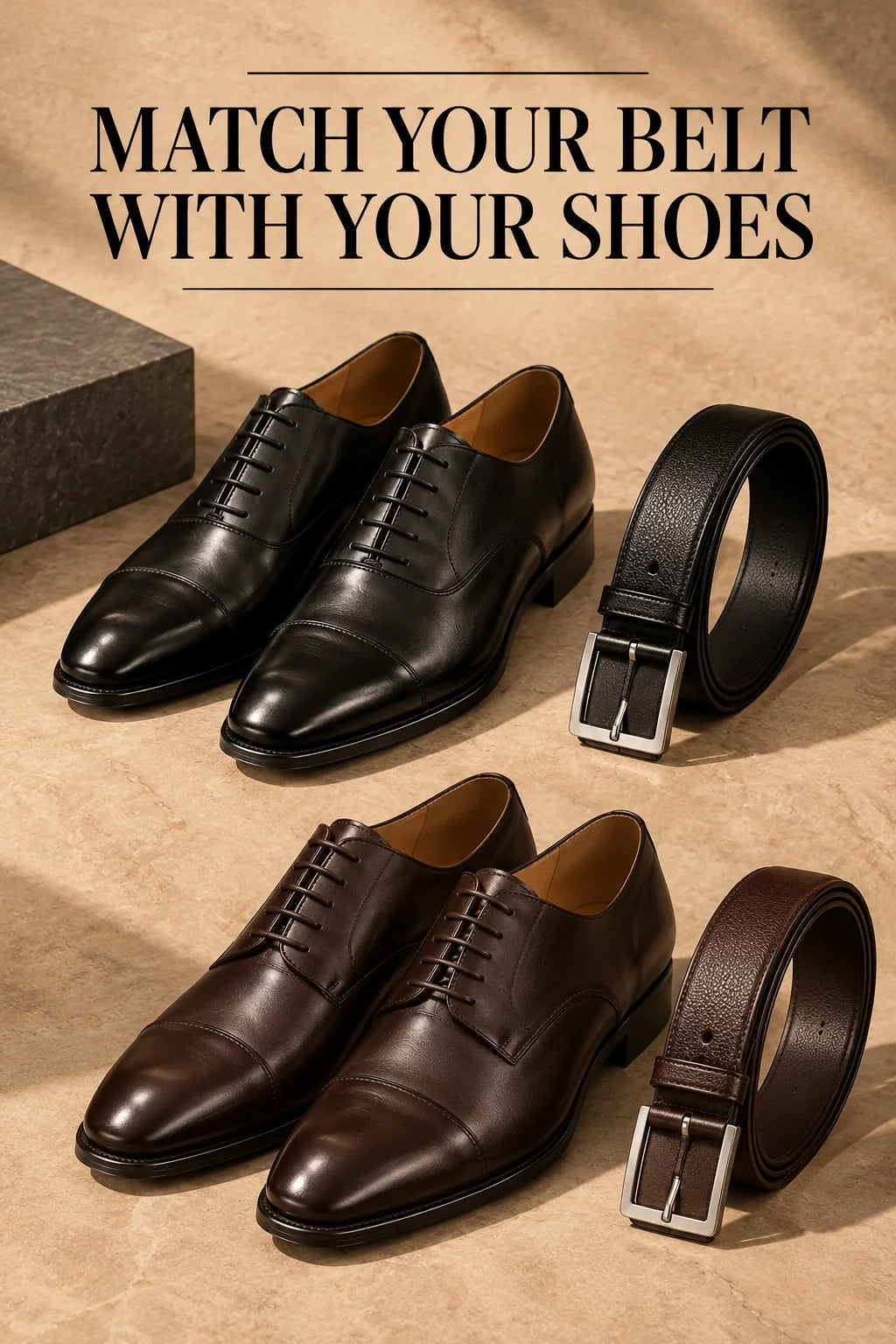
Complete the outfit with a matching leather belt and formal shoes.
B. For Business Meetings
A business meeting is an occasion where your outfit should look neat, organised and professional.
Choose a well-fitted formal shirt, tuck it neatly into tailored trousers and finish the look with a leather belt and polished formal shoes.
If you are meeting a client or presenting something important, wearing a blazer over your tucked-in shirt can make the outfit look even more refined.
C. For Weddings and Formal Events
Formal occasions generally call for a more structured appearance.
A tucked-in formal shirt paired with tailored trousers, a matching belt and leather formal shoes creates a balanced outfit.
For evening events, darker shirt colours such as navy, wine and black can create a sophisticated appearance. For daytime events, white, light blue and subtle pastel shades are excellent choices.
D. When Wearing a Blazer or Suit
A formal shirt should generally be tucked in when worn underneath a blazer or suit jacket.
An untucked shirt extending below the blazer can interrupt the clean lines of your outfit and make the overall appearance look unfinished.
Keep the shirt tucked neatly, choose trousers with a comfortable waist and coordinate your belt and shoes.
3. When Can Men Wear a Shirt Untucked?
An untucked shirt can look equally stylish when it is the right type of shirt and is worn in the right setting.
The most important thing is that the shirt should look intentionally designed to be worn outside your trousers.
A. For Casual Office Wear
If your workplace follows a relaxed dress code, an untucked shirt can work well.
Choose a shorter shirt with a straight or slightly rounded hem. Pair it with well-fitted chinos or smart casual trousers.
Avoid oversized shirts or very long formal shirts because they can make your outfit look untidy.
B. For Weekend Outings
For a relaxed weekend look, wear a well-fitted shirt untucked with chinos or dark jeans.
A light blue, pink, olive green or white shirt can create an easygoing yet polished appearance.
Complete the outfit with loafers, minimal sneakers or casual leather shoes depending on the setting.
C. For Casual Dinner Dates
An untucked shirt can be a good option for an informal dinner or evening outing.
Choose a solid-colour shirt with a clean finish and a comfortable fit. Pair it with dark trousers or jeans and clean leather footwear.
The idea is to look relaxed without appearing underdressed.
D. For Travel
Comfort is important when travelling, but that does not mean you have to compromise on appearance.
A breathable cotton or linen shirt worn untucked with comfortable trousers can create a practical travel outfit.
Choose a shirt that allows easy movement and does not hang excessively below your waist.
4. How to Know Whether a Shirt Is Designed to Be Tucked In or Untucked?
One of the easiest ways to decide whether to tuck in a shirt is to examine its bottom hem.
The shape and length of the hem provide useful clues about how the shirt is intended to be worn.

Curved Hem Shirts
A curved hem has a longer front and back section with higher sides.
This design is commonly found on traditional formal shirts and dress shirts.
Why it is designed for tucking:
-
The additional length helps the shirt stay inside trousers.
-
The curved shape allows more fabric to remain secured around the waist.
-
It provides a neat appearance when worn with formal trousers.
-
It is suitable for traditional business and formal dressing.
A long, curved-hem formal shirt will usually look better tucked in rather than hanging outside your trousers.
Straight Hem Shirts
A straight hem has a relatively even bottom edge.
This design is commonly found on casual button-down shirts, some Oxford shirts and relaxed everyday shirts.
Why it works untucked:
-
It creates a cleaner appearance outside trousers.
-
The shorter length helps maintain better proportions.
-
It works well with chinos and jeans.
-
It provides a relaxed alternative to traditional formal dressing.
Some shirts have slightly rounded or hybrid hems, so the hem alone should not determine your choice. Consider the length, fit and occasion together.
5. How Long Should an Untucked Shirt Be?

Shirt length is one of the most important factors when deciding whether to wear a shirt untucked.
Even an expensive shirt can look poorly styled if it is too long or too short.
A well-proportioned untucked shirt should generally:
-
Cover the waistband of your trousers.
-
End around the mid-fly area as a useful starting point.
-
Avoid extending excessively below the crotch.
-
Stay balanced at the front, back and sides.
-
Allow comfortable movement without exposing your stomach.
The ideal length also depends on your height, torso proportions and trouser rise.
Signs Your Shirt Is Too Long
-
The hem extends far below the crotch.
-
It covers a large portion of your trousers.
-
The fabric bunches around your hips.
-
The shirt makes your legs appear visually shorter.
Signs Your Shirt Is Too Short
-
It exposes your stomach when you raise your arms.
-
It does not properly cover the waistband.
-
It constantly moves above your trousers.
-
It creates an unbalanced appearance.
Styling tip: If a formal shirt is too long to wear untucked, consider choosing a shirt specifically designed for untucked styling rather than folding or rolling the bottom hem.
6. How Should a Formal Shirt Fit When Worn Untucked?
Fit becomes even more noticeable when a shirt is worn outside trousers because there is no waistband holding excess fabric in place.
Pay attention to these details.
Shoulder Fit
The shoulder seams should sit close to the natural edge of your shoulders.
A shirt that is too wide can create a droopy appearance, while a very tight shoulder fit can restrict movement.
Chest Fit
The shirt should provide enough room for comfortable movement without creating excessive fabric around your chest.
You should be able to button the shirt without visible pulling or gaps.
Waist Fit
A well-fitted shirt should follow your natural body shape without clinging tightly to your stomach.
Avoid excessive fabric around the waist because it can make an untucked shirt look oversized.
Sleeve Length
For a full-sleeve shirt, the cuff should generally reach your wrist. For a casual appearance, you can roll the sleeves neatly, provided the occasion allows it.

7. Tucked vs Untucked: Which Looks Better With Different Trousers?
The trousers you choose can change how a shirt looks.
Here is how to style both options with different types of bottoms.
Formal Trousers
Best choice: Tucked-in shirt.
Formal trousers are designed to create a structured outfit, making a tucked-in shirt the natural choice.
Try these combinations:
-
White shirt with black formal trousers.
-
Light blue shirt with charcoal trousers.
-
Pink shirt with navy trousers.
-
Wine shirt with grey trousers.
Add a matching leather belt and formal shoes for a complete office outfit.
Chinos
Best choice: Both tucked and untucked.
Chinos are versatile and work for both smart-casual and relaxed dressing.
For a polished appearance, tuck in your shirt and add a leather belt.
For a more relaxed look, leave a properly fitted, shorter shirt untucked.
Jeans
Best choice: Usually untucked for casual styling.
A shorter casual shirt worn untucked with dark jeans creates an effortless weekend look.
However, a tucked-in shirt with well-fitted dark jeans can also work for a smart-casual outfit.
Choose clean footwear and avoid combining overly formal shirts with distressed or heavily faded jeans.
8. How to Tuck in a Formal Shirt Properly
Knowing how to tuck in a formal shirt correctly makes a noticeable difference to your appearance.
A shirt that is uneven, bulky or constantly coming out can make an otherwise good outfit look untidy.
Follow these steps for a clean tuck.
Step 1: Button Your Shirt Properly
Button your shirt from the bottom upwards and make sure the front placket is straight.
Step 2: Position Your Trousers
Wear your trousers at a comfortable waist position before tucking in the shirt.
Your trousers should not be so tight that they pull the shirt out when you sit.
Step 3: Tuck in the Front and Back
Place the shirt evenly inside your waistband.
Make sure there is no excess fabric hanging outside.
Step 4: Remove Excess Fabric From the Sides
If there is extra material around your waist, gently fold it towards the back.
This helps create a flatter and more structured appearance.
Step 5: Wear a Matching Belt
A leather belt adds definition to the waist and completes a traditional formal outfit.
Step 6: Check Your Appearance
Look in the mirror from the front and sides.
Your shirt should sit evenly inside your trousers without excessive folds or visible bunching.
9. How to Keep Your Shirt Tucked In All Day

One common problem men face is their formal shirt coming out of their trousers after sitting, walking or raising their arms.
Here are some practical ways to prevent it.
Choose the correct shirt length: A shirt designed for tucking should have enough length to remain inside your trousers during normal movement.
Use the military tuck: Fold the excess fabric at both sides towards the back before fastening your trousers. This helps reduce unnecessary bulk.
Wear properly fitted trousers: Trousers that are too loose around the waist may allow the shirt to move out more easily.
Choose the right belt: A properly fitted belt helps keep your waistband secure.
Check your shirt fit: An excessively tight shirt may pull out when you move, while an overly loose shirt may bunch around the waist.
For men who need extra hold, shirt stays are another option. These accessories connect the shirt to the socks or leg area to help keep the shirt in place.
10. What Is a French Tuck? Can Men Wear It?

A French tuck, also known as a half tuck, involves tucking only the front portion of a shirt into your trousers while leaving the sides and back outside.
It creates a relaxed and slightly styled appearance.
For men, a French tuck can work with:
-
Casual button-down shirts.
-
Oxford shirts.
-
Linen shirts.
-
Relaxed smart-casual outfits.
It is generally not recommended for traditional business formal settings, weddings with strict formal dress codes or professional meetings.
If you want a polished formal appearance, a complete tuck is usually the better option.
11. Common Mistakes Men Should Avoid When Tucking or Untucking a Shirt
Even a good shirt can look less flattering when styled incorrectly.
Avoid these common mistakes:
1. Wearing a long formal shirt untucked: Traditional dress shirts often have longer curved hems and can look oversized when left outside trousers.
2. Wearing an excessively short shirt: A shirt that exposes your waistband or stomach when you move does not create a balanced look.
3. Ignoring the occasion: An untucked shirt might work for a casual dinner but may not be appropriate for a formal client meeting.
4. Choosing the wrong fit: Excessively tight or oversized shirts can make both tucked and untucked outfits look untidy.
5. Allowing excess fabric to bunch up: A bulky tuck creates unnecessary folds around your waist.
6. Wearing an untucked shirt underneath a blazer: A long hem extending below your blazer can disrupt the overall appearance.
7. Forgetting the belt: When wearing a tucked-in shirt with formal trousers, a suitable leather belt helps complete the outfit.
12. Tucked vs Untucked: Which Style Should You Choose?
If you are still unsure whether to tuck in your shirt or leave it outside your trousers, use this quick reference.
|
Occasion |
Recommended style |
|
Business formal office |
Tucked |
|
Client meetings |
Tucked |
|
Job interviews |
Tucked |
|
Weddings |
Tucked |
|
Formal dinners |
Tucked |
|
Smart-casual office |
Either, depending on dress code |
|
Weekend outings |
Untucked |
|
Casual dinner dates |
Either |
|
Travel |
Untucked |
|
Casual gatherings |
Untucked |
|
Blazer or suit outfit |
Tucked |
The best choice is the one that suits your shirt construction, outfit proportions and the occasion.
Final Thoughts
So, should men wear their formal shirts tucked in or untucked?
The answer depends on the look you want to achieve.
A tucked-in shirt is generally the better choice for office wear, business meetings, weddings and other occasions that require a polished appearance. An untucked shirt works well for relaxed outings and smart-casual dressing when its length and hem are designed for that purpose.
Instead of following a strict fashion rule, pay attention to the shirt's hem, length, fit and the trousers you are wearing.
A well-fitted shirt, styled correctly, can make even a simple outfit look considerably more refined.
Explore The Manatomy's collection of men's formal shirts to find versatile styles that work for professional dressing and everyday occasions.